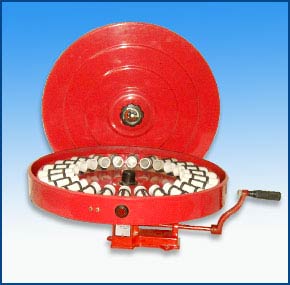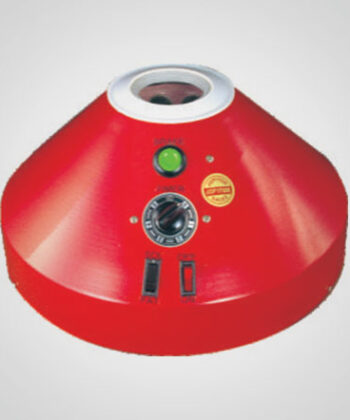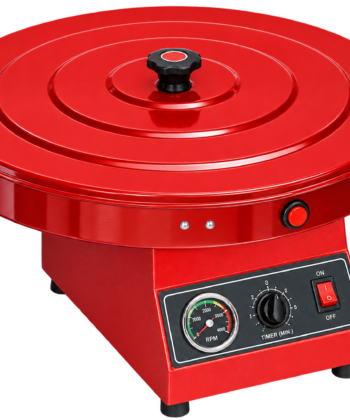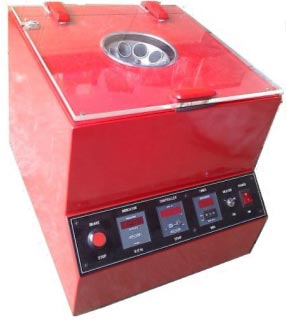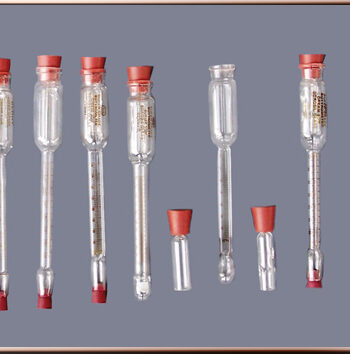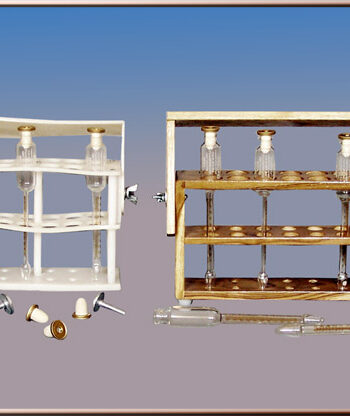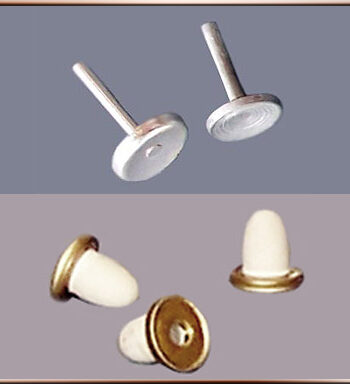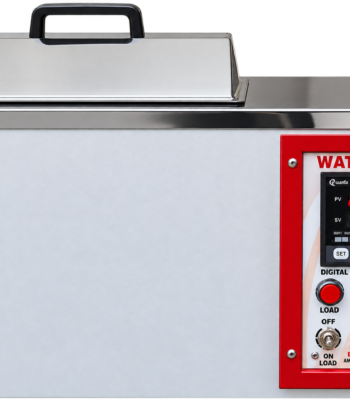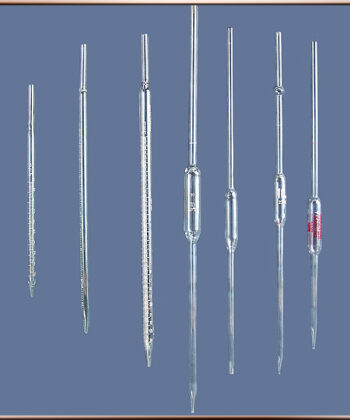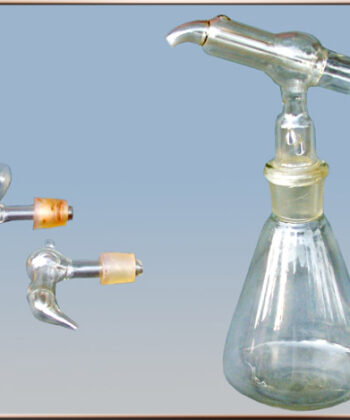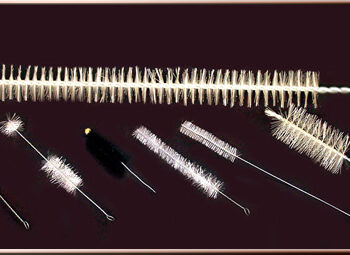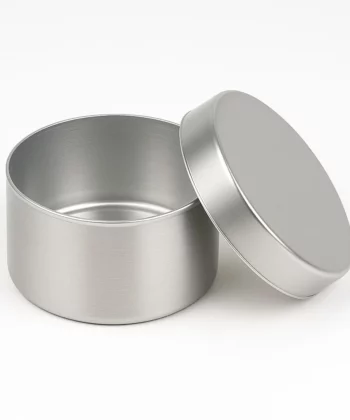
The Gerber Method is a traditional and widely used chemical analytical method for determining the fat content of milk, cream and other dairy products. Developed and patented by Dr. Niklaus Gerber of Switzerland in 1891, the method remains an important reference technique for routine dairy quality testing. In the Gerber fat test, a measured quantity of sulfuric acid is added to the milk sample to digest and separate proteins and other non-fat components, releasing the milk fat. Amyl alcohol (isoamyl alcohol) is then added to assist in the clear separation of fat. The prepared sample is placed in a specially designed Gerber butyrometer, which is centrifuged to separate the fat into a distinct column. After centrifugation, the butyrometer is maintained at the required temperature, generally using a Gerber water bath, and the separated fat layer is read directly from the calibrated scale on the butyrometer. The Gerber method requires specialized laboratory equipment including Gerber butyrometers, milk-fat pipettes, amyl alcohol dispensers, sulfuric acid handling accessories, Gerber centrifuges and temperature-controlled water baths. The method is particularly useful for dairy farms, milk collection centres, dairy processing plants, milk testing laboratories, quality-control laboratories, educational institutions and research facilities where routine determination of milk fat is required. Proper sample preparation, accurate measurement, controlled temperature, correct centrifugation and careful reading of the calibrated butyrometer are essential for obtaining reliable and repeatable results. The Gerber method is valued for its simple laboratory workflow, direct fat measurement, relatively rapid testing and suitability for routine dairy quality control.
Showing 1–16 of 25 results